Over the past five years, I’ve had a front-row seat to how accessiBe approaches accessibility. And more importantly, how that approach has been tested, challenged, and pushed to evolve.
Accessibility is easy to talk about in theory. It’s much harder to get right in practice.
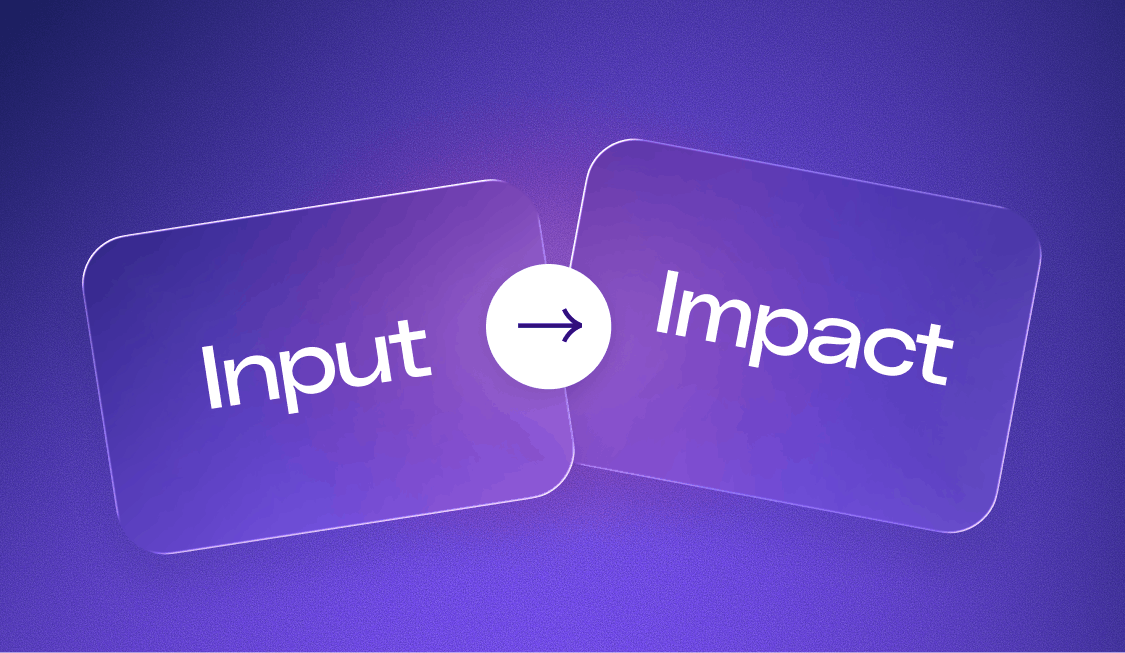
What I’ve seen is that the difference comes down to one thing: whether input actually leads to action.
Having a seat at the table means being able to do more than just share feedback. It means asking hard questions, testing real experiences, and pushing for changes that reflect how people actually navigate the web using assistive technologies.
That’s not always comfortable. But it’s necessary.
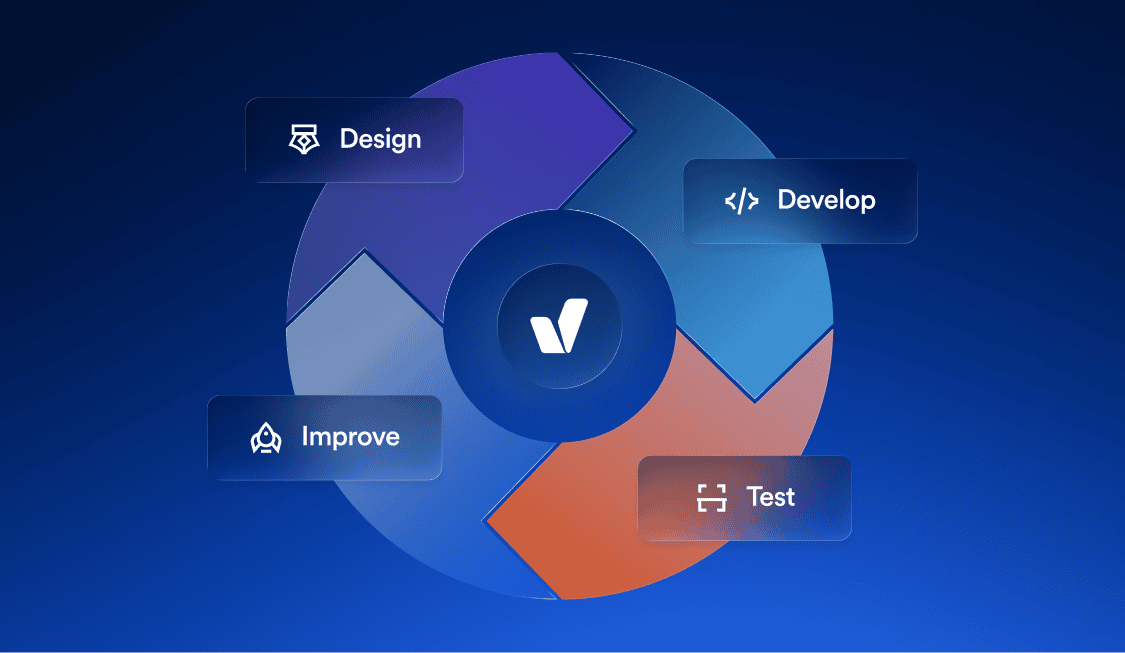
Over time, that process has become more structured and more consistent. Input from the advisory board, testing from accessLabs, and insights from the broader community are not treated as one-off conversations. They feed directly into product decisions.
You can see that in how features are shaped, how language evolves, and how the platform responds to real-world use.
It also shows how accessiBe is approaching accessibility more broadly. I’m a big believer in automation. It helps scale accessibility in ways that weren’t possible before. But real-world usability requires more than automation alone. It requires testing, validation, and a willingness to address edge cases that don’t fit neatly into automated solutions.
That’s where I’ve seen the most meaningful progress. Accessibility is not a finished state. It’s an ongoing process that depends on continuous input, iteration, and accountability. That’s what the first impact report reflects.
If you care about where accessibility is heading, and what it looks like when it’s treated as an ongoing practice, it’s worth a read.