One year ago, we established our Product Advisory Board with a clear goal: to move beyond theoretical accessibility and ensure our platform is shaped by the lived experiences of disability advocates and community leaders.
Accessibility is not a static checkbox, but a continuous practice. Over the past 12 months, this board has provided structured feedback that has directly influenced the evolution of accessWidget, particularly in how users navigate and interact with our interface.
Turning feedback into product-level impact
Over the course of three in-depth sessions and multiple surveys, the board reviewed profile titles, subtitles, and descriptions across our primary accessibility profiles. Their insights led to a score of 4.46/5 for how well these profiles represent real-world disability experiences, but they also highlighted critical areas for growth.
The feedback was clear: language matters. Our partners advocated for a shift away from clinical, deficit-focused terminology toward a more personable, “person-first” framing.
Key refinements to the accessWidget experience
Based on this partnership, we are implementing several UX advancements designed to make the accessWidget experience clearer and more respectful:
- Person-first language: We are swapping clinical terms like “disorder” or “impaired persons” for inclusive phrasing such as “people who rely on keyboard navigation” or “people with epilepsy”.
- Profile naming updates: Responding to community preference, we are shifting toward “Low Vision” profiles rather than “Vision Impaired” to better reflect how users identify.
- Functional focus: Instead of listing medical diagnoses, we are prioritizing functional outcomes—what the tool helps the user do—to avoid inadvertently excluding those with unlisted conditions.
- Claim accuracy: We are reinforcing our commitment to trustworthy communication by avoiding absolute claims like “eliminates” in favor of more accurate, helpful phrasing like “helps mitigate”.
Beyond the interface: a comprehensive platform
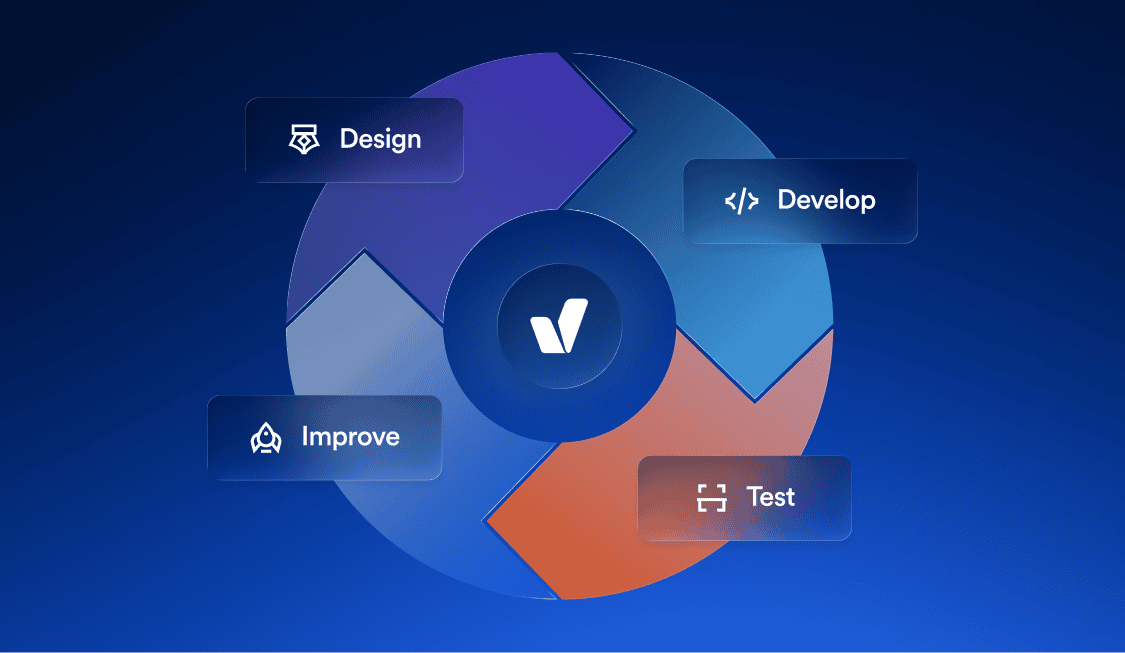
While these UX updates are a major milestone, they are part of a broader shift. accessiBe has evolved into an end-to-end accessibility platform combining the best in AI automation, human expertise, and developer tools, all guided by the principles of inclusive design.
By integrating automated remediation through accessWidget, developer workflows via accessFlow, and manual audits through accessServices, we provide a sustainable path toward WCAG conformance and ADA compliance.
Why this matters for GAAD 2026
As we approach Global Accessibility Awareness Day (GAAD), this milestone reminds us that awareness is only the starting point. Execution is what builds trust.
The Product Advisory Board and the daily testing performed by accessLabs—our team of blind usability analysts—ensure that our platform is not built for visibility, but for real-world usability. We are committed to turning these ongoing conversations into tangible product impact, ensuring that the digital world becomes a truly equitable space for everyone.
Next steps for your business:
- Audit your site: Use accessScan for a free, instant look at your current accessibility posture.
- Explore the ecosystem: See how accessFlow can help your developers build accessible code from the start.
- Consult the experts: Learn how accessServices can support complex remediation and documentation like VPATs.