As organizations scale across websites, applications, documents, and interconnected user journeys, accessibility becomes less about isolated fixes and more about sustained, coordinated effort.
While automation can and should play a meaningful role, websites and digital platforms often involve dynamic interfaces, custom components, and high-impact workflows where context and real-world interaction matter.
Evaluating how people with disabilities navigate critical user journeys, validating assistive technology behavior, and addressing non-standard content require expert judgment and hands-on testing. Human-led audits, remediation, and documentation help organizations identify meaningful barriers, prioritize action, and support ongoing accessibility and legal compliance efforts with greater clarity and confidence.
This is exactly what you get with accessiBe’s expert accessibility services, which complement technology and bring greater reliability and clarity to accessibility efforts.
Human expertise where accessibility and judgment matter most
While automation provides a scalable foundation, certain digital environments require the nuanced judgment of human expertise. accessiBe’s expert services bridge this gap by offering the following specialized solutions:
Expert accessibility audits
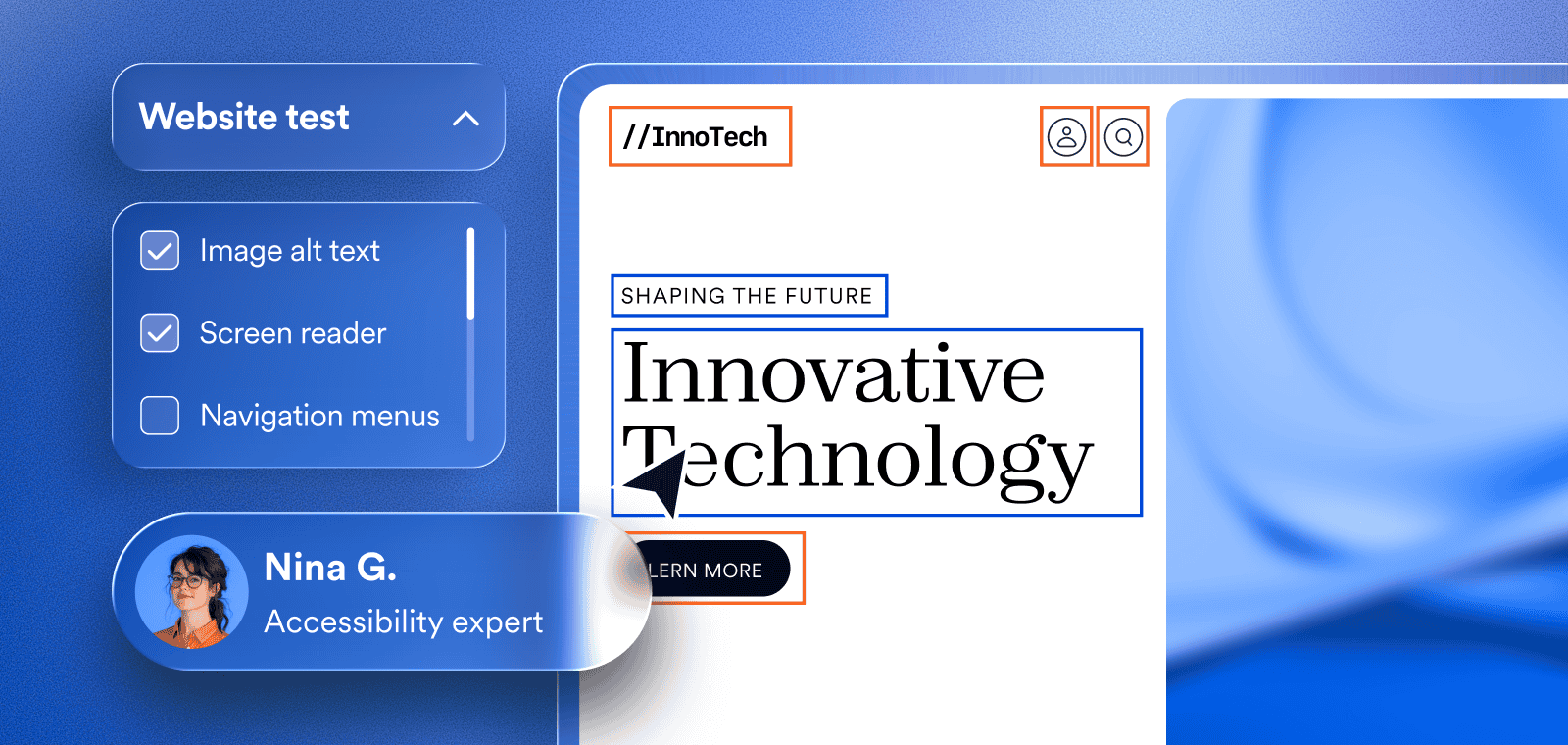
Expert accessibility audits provide organizations with a clear, human-led assessment of how accessible their digital environments truly are. These audits add a deeper layer of precision by complementing automated analysis. They examine structure, content, design patterns, and interactive behavior in real-world scenarios where human judgment helps identify meaningful accessibility barriers for people with disabilities.
For larger organizations, audits are especially valuable in complex environments where custom components, dynamic content, and interconnected systems are common.
Expert reviewers assess digital experiences against the Web Content Accessibility Guidelines (WCAG) – the guiding document for compliance with laws like the Americans with Disabilities Act (ADA and the European Accessibility Act (EAA). They then translate findings into actionable insights that teams can use to prioritize remediation and make informed decisions.
By establishing a reliable baseline and highlighting areas that require attention, expert audits help organizations better understand their accessibility posture and plan next steps with greater accuracy and confidence.
User testing with people with disabilities
User testing adds a critical layer to expert audits by incorporating direct feedback from people with disabilities who rely on assistive technologies. This approach validates whether digital experiences are not only technically accessible, but also usable and intuitive in practice.
Through hands-on testing, people with various disabilities navigate key workflows using screen readers, keyboards, and other assistive tools, complementing automated analysis with real-world interaction and usability insight.
The resulting insights help organizations better understand how real users experience their digital platforms and where improvements can have the greatest impact.
Together, expert audits and user testing provide a more complete, human-centered view of accessibility—supporting more informed remediation efforts and stronger accessibility outcomes across complex digital environments.
File remediation
Digital documents are often an overlooked part of accessibility efforts, yet they play a critical role in how people access information and complete essential tasks. PDFs and MS office files can introduce significant barriers for people using assistive technologies if they are not properly structured or formatted.
File remediation focuses on making digital documents accessible through proper tagging, semantic structure, and correct reading order. This includes remediating PDFs—often by converting them to HTML—to ensure headings, lists, tables, and other elements are structured so screen readers can interpret and navigate content accurately.
For organizations that manage large volumes of digital documents—such as government agencies, educational institutions, healthcare providers, financial services organizations, and enterprises with extensive customer or employee documentation—expert-led file remediation helps ensure accessibility extends beyond web pages alone.
By addressing documents as part of a broader accessibility strategy, teams can reduce friction, improve usability, and support ongoing ADA and EAA compliance efforts across their digital ecosystem.
Litigation support
When accessibility-related legal claims arise, organizations need structured, hands-on support to respond clearly and stay focused on ongoing operations.
accessiBe’s Litigation Support Package is designed to assist teams throughout the claims process, helping them document accessibility efforts and navigate next steps with greater confidence.
This support includes:
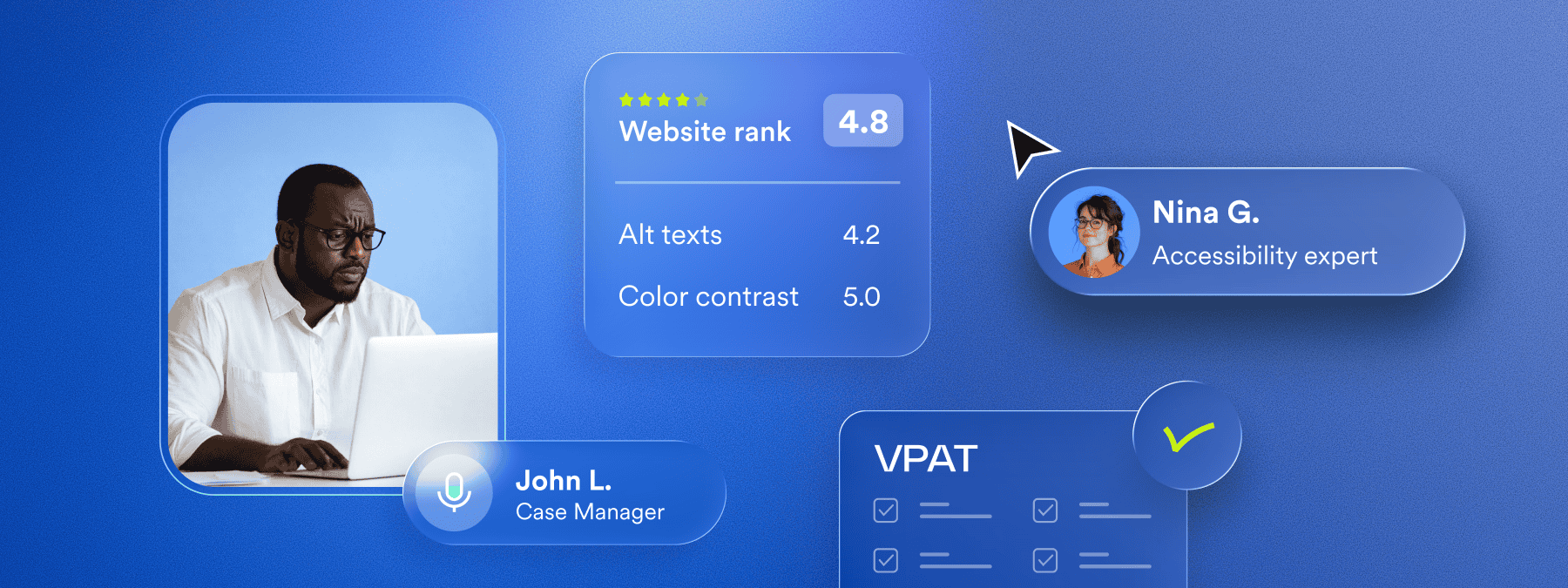
- A dedicated case manager to coordinate communication and guide you through each stage of the process
- Customized accessibility documentation tailored to the specific claim and affected digital properties
- Expert review of the claim and impacted assets to help clarify scope and context
- Access to ADA-informed attorney consultations to support interpretation of requirements and response strategy
Manual testing and custom remediation (MTCR)
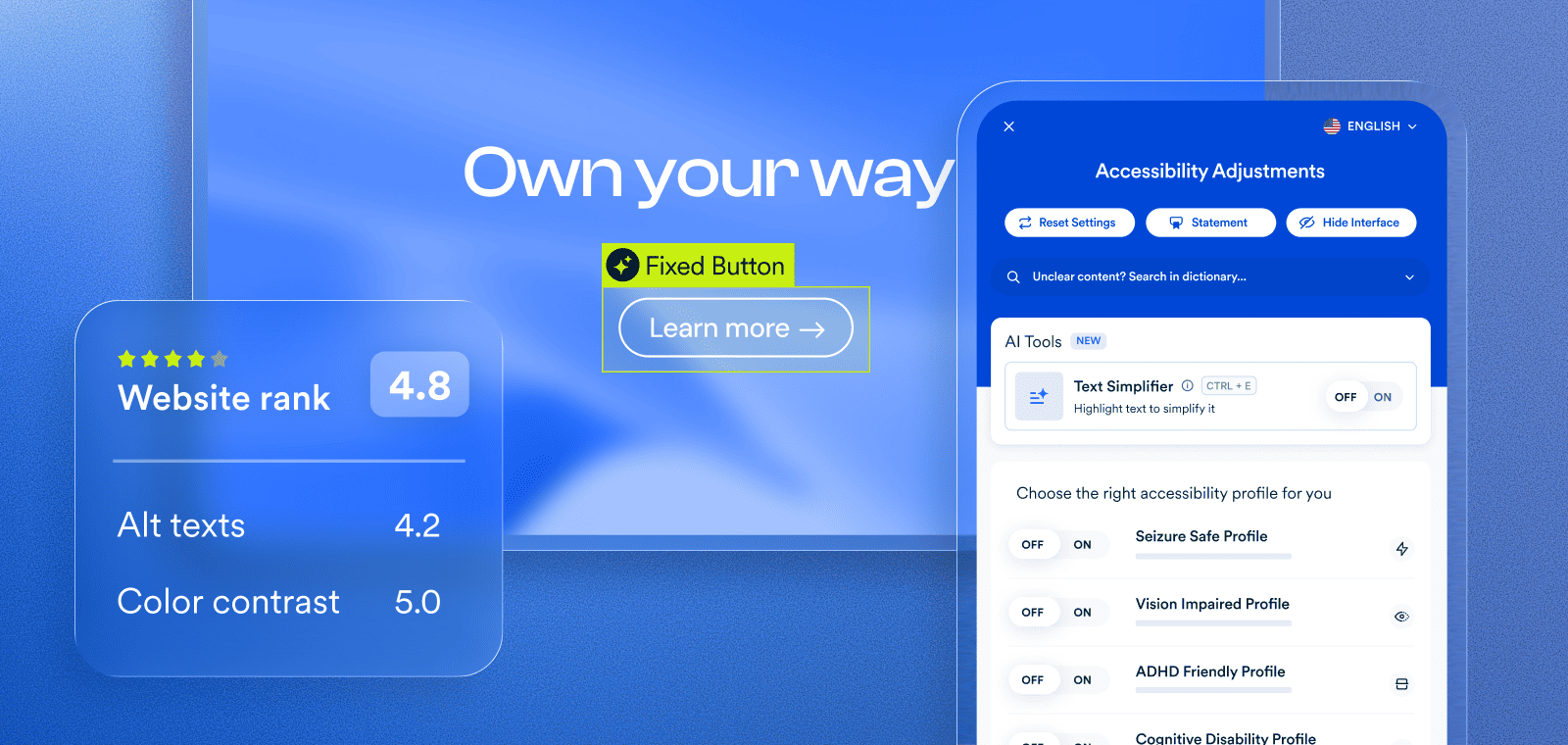
Every website is unique, and complex digital environments often require customization of AI-driven accessibility solutions to reflect site-specific structures, interactions, and user flows. Through Manual Testing and Custom Remediation (MTCR), organizations receive expert-led manual testing of their core user journeys, including navigation, forms, dialogs, and other high-impact interactions, using keyboard navigation and screen readers to reflect real-world usage.
Based on the insights identified during manual testing, tailored enhancements are applied to accessWidget to better support accessibility within these high-leverage areas.
These enhancements may include refinements to focus behavior, labeling, skip links, and the application of appropriate ARIA roles, attributes, and properties—helping ensure accessWidget is optimized to support the site’s design, interactions, and assistive technology behavior without modifying source code.
To learn more about Manual Testing and Custom Remediation, press here.
VPATs and accessibility reporting
A Voluntary Product Accessibility Template (VPAT) is a standardized document used to describe how a digital product supports accessibility requirements and guidelines. VPATs are commonly requested during procurement and due diligence processes, and they require detailed, criterion-by-criterion evaluation to be completed accurately.
Completing a VPAT is not a formality. It requires a detailed, criterion-by-criterion understanding of accessibility standards, including how the Web Content Accessibility Guidelines (WCAG) are interpreted and applied in practice, and how accessibility features and limitations should be accurately documented.
Under Section 508 of the Rehabilitation Act, U.S. federal agencies are required to ensure that the digital products they procure are accessible, and VPATs are commonly used to document how those requirements are addressed during procurement.
Because of this, inaccuracies or unsupported claims in a VPAT can create risk, delay approvals, or trigger additional review.
accessiBe’s expert service providers manage the VPAT process on your behalf, taking care of the required evaluation and documentation so teams can move forward accurately and efficiently.
By relying on expert-led assessments and established reporting workflows, organizations can reduce internal lift, avoid delays, and complete VPATs in a more timely and cost-effective way—without diverting engineering or compliance teams from their core responsibilities.
Combining expert services, automation, and developer tools for end-to-end accessibility
accessiBe’s expert service providers help you address many of the most complex aspects of digital accessibility—and it’s one way you can benefit from accessiBe’s broader ecosystem of solutions. Accessibility needs can vary widely across organizations, and different challenges often call for different approaches.
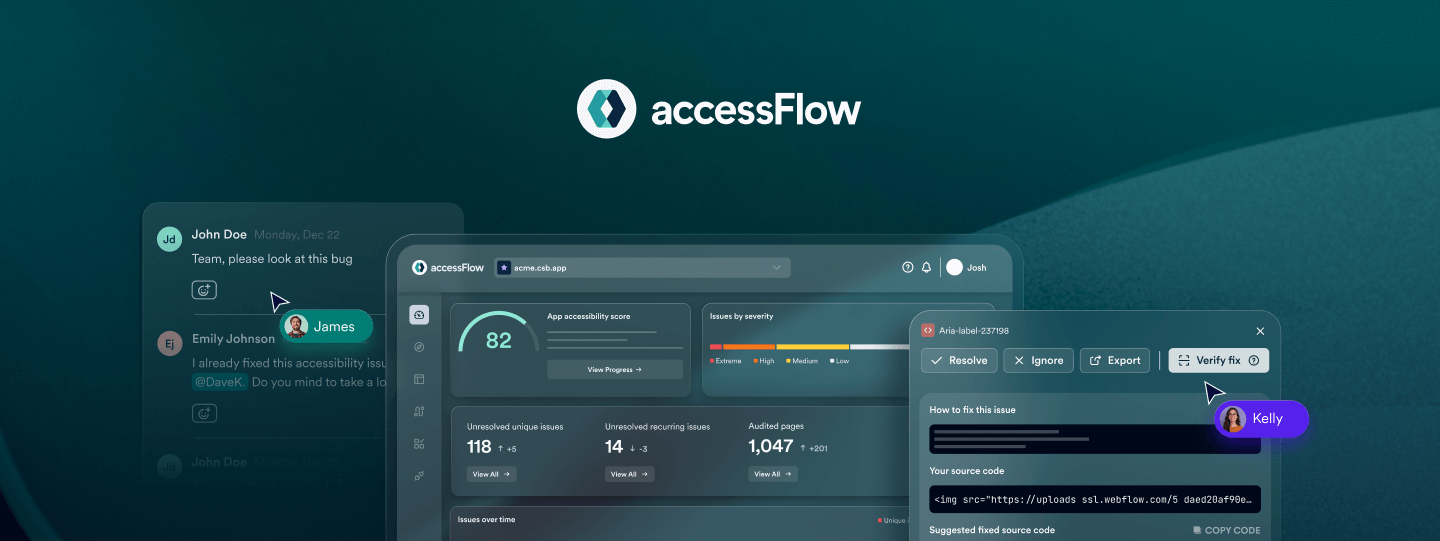
Alongside expert-led services, organizations can leverage AI-powered automation through accessWidget to address common accessibility barriers at scale, and use accessFlow to identify and remediate accessibility issues directly at the source code level. Together, these options allow you to tackle accessibility issues in the way that best fits your teams, workflows, and goals—while supporting ongoing accessibility and compliance efforts over time.
Frequently asked questions about accessiBe’s expert accessibility services
Q1. What are accessiBe’s expert accessibility services?
A1. accessiBe’s expert accessibility services provide human-led support for accessibility areas that require judgment and hands-on evaluation. They include expert audits, user testing with people with disabilities, file remediation, VPAT reporting, Manual Testing and Custom Remediation (MTCR), and litigation support.
Q2. When are expert-led accessibility services necessary?
A2. Expert-led services are most valuable for complex digital environments with custom components, dynamic content, or critical user journeys where automated testing alone may not capture real-world accessibility barriers.
Q3. How do expert accessibility audits differ from automated testing?
A3. Automated tools identify common issues at scale, while expert audits evaluate structure, interactions, and usability in context. Human reviewers assess experiences against WCAG and provide prioritized, actionable insights.
Q4. Why is user testing with people with disabilities important?
A4. User testing shows how real people using assistive technologies experience key workflows. It helps confirm whether digital experiences are usable in practice—not just technically accessible.
Q5. What does file remediation include, and why does it matter?
A5. File remediation makes PDFs and Office documents accessible through proper structure, tagging, and reading order. It ensures people using assistive technologies can access essential information beyond web pages.
Q6. What support does accessiBe offer during accessibility-related legal claims?
A6. accessiBe’s Litigation Support Package provides a dedicated case manager, expert documentation, claim review, and ADA-informed attorney consultations.
Q7. What is Manual Testing and Custom Remediation (MTCR)?
A7. MTCR involves expert-led testing of key user journeys using assistive technologies, followed by tailored enhancements to accessWidget to better support unique customer journeys—without modifying source code.
Q8. How do expert services fit into an end-to-end accessibility solution?
A8. Expert services complement automation and developer tools by addressing complex testing, documentation, and real-world usability. Together, they support ongoing accessibility and compliance efforts across digital environments.