Healthcare organizations are navigating a rapidly evolving digital landscape where patient experience, compliance, and discoverability intersect.
At Medtrade 2026, the largest convention for Home Medical Equipment (HME) businesses that took place in Phoenix, Arizona, accessiBe CEO Robert Lopez joined VGM Forbin President, Cassi Price, in conversation that shifted from general healthcare trends to a specific, data-driven look at the HME sector.
accessiBe and VGM Forbin took the stage to address a pressing issue: treating web accessibility as essential operational infrastructure.
During the session, the teams unveiled exclusive data that highlights the current state of digital readiness across the HME industry.
A snapshot of healthcare accessibility in 2026
Healthcare consistently ranks among the most targeted industries for ADA website accessibility claims. In 2025 alone, 5,114 digital accessibility lawsuits were filed.
Beyond the ADA, healthcare providers must also consider Section 504 of the Rehabilitation Act. Any organization receiving federal financial assistance—including Medicaid or Medicare funding—must comply. The U.S. Department of Health and Human Services (HHS) has set clear deadlines for this requirement:
- May 11, 2027, for companies with 15 or more employees.
- May 10, 2028, for those with fewer than 15 employees.
Failure to ensure equal digital access through WCAG 2.1 Level AA conformance could result in legal recourse or potentially put federal funding at risk.
At the same time, the United Nations Department of Economic and Social Affairs found that nearly 46% of adults over 65 live with a disability, and this is the core population many HME providers serve.
In preparation for Medtrade, accessiBe conducted a comprehensive audit of over 200 HME provider websites using accessScan. The findings were consistent with broader market trends but revealed specific challenges unique to the HME space.
The study found that while the industry is digitizing rapidly, accessibility often remains an afterthought, with clear opportunities for improvement:
- The majority of sites showed gaps: 5 in 6 HME websites showed measurable accessibility barriers that could hinder users with disabilities.
- Complex workflows, higher friction: Interactive elements like equipment catalogs, insurance intake forms, and patient portals were the most common areas for failure, specifically regarding keyboard navigation and screen reader compatibility.
- The “missing alt-text” trend: Over 50% of images on these sites lacked descriptive alternative text, making it difficult for patients using assistive technology to identify specific medical products.
Rather than framing this as a failure, the partnership emphasized the opportunity for HME providers to lead with inclusion.
“Most HME providers were not building websites with accessibility as a primary requirement. As digital complexity grows, accessibility needs to grow with it. The opportunity is to build maturity into digital operations moving forward.”
– Cassi Price, President of VGM Forbin
Why accessibility is an operational must-have
For HME providers, digital barriers don’t just exist in the abstract; they have real-world consequences for patient care:
- Stalled intake: Inaccessible forms lead to abandoned patient intake, increasing the burden on manual support teams.
- Support call surges: When patients can’t navigate a billing portal independently, they turn to phone support, driving up operational costs.
- Eroded trust: For a population where nearly 1 in 4 adults lives with a disability, an inaccessible website is a barrier to care itself.
“Accessibility today is not a checkbox. It sits at the intersection of experience, operational infrastructure, and compliance. For HME teams, digital barriers show up in the moments that matter most—during intake, ordering, and billing.”
– Robert Lopez, accessiBe CEO
Leading forward: Accessibility as the future of HME readiness
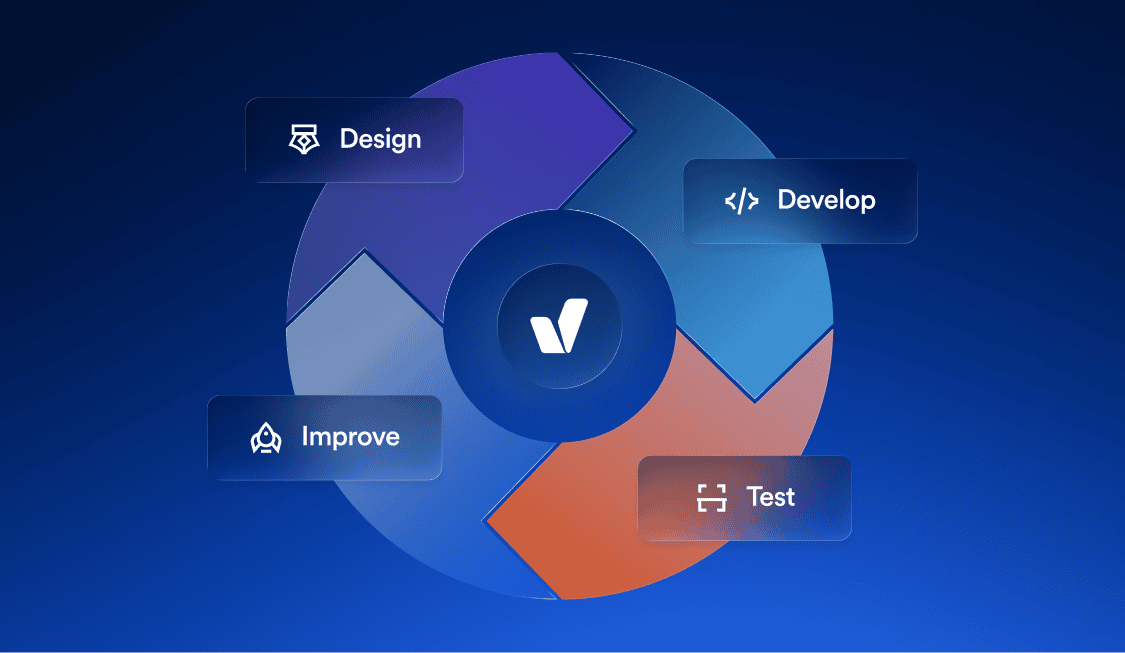
The collaboration between accessiBe and VGM Forbin brings together healthcare-specific digital expertise and an end-to-end accessibility platform combining the best in AI automation, human expertise, and developer tools.
By integrating accessibility into the very foundation of HME digital strategy, the partnership provides a multi-layered approach to compliance and inclusion:
- accessWidget: Uses AI to remediate code-level barriers on a session basis, ensuring screen reader and keyboard compatibility.
- accessFlow: A platform for developers to audit, monitor, and manage accessibility workflows within the source code.
- accessServices: Provides expert-led audits, user testing by people with disabilities, and document remediation for complex PDFs.
The teams also highlighted a growing trend: the convergence of accessibility and AI-driven search. As search engines evolve into “answer engines,” structured content and semantic hierarchy—the hallmarks of an accessible site—become critical for discoverability.
What HME providers can do next
For many HME organizations, accessibility was never part of the original website build. As digital tools expanded to include patient portals, product catalogs, insurance documentation, and online ordering, accessibility requirements evolved alongside them.
As the HME industry continues to digitize, accessibility will increasingly define how patients interact with providers online. HME organizations that proactively operationalize accessibility will not only mitigate legal risk but also strengthen patient and caregiver trust, reduce friction, and lead with confidence in a more accountable digital environment.
Frequently asked questions about web accessibility and healthcare
Q1. Why is digital accessibility important in healthcare?
A1. Healthcare websites support critical actions like patient intake, medical equipment ordering, and provider communication. Ensuring your digital presence is inclusive means that all patients—including the nearly 1 in 4 U.S. adults living with a disability—can access essential services and care independently.
Q2. What is Section 504, and how does it differ from the ADA?
A2. While both laws aim to prevent discrimination, they have different scopes. The Americans with Disabilities Act (ADA) applies to all businesses open to the public (places of public accommodation). Section 504 of the Rehabilitation Act specifically applies to organizations that receive federal financial assistance. For healthcare providers, this almost always includes those accepting Medicare or Medicaid.
Q3. Does Section 504 specifically mention websites?
A3. Yes. Under the recent update from the U.S. Department of Health and Human Services (HHS), Section 504 explicitly requires that a covered entity’s digital presence—including websites, mobile apps, and online portals—be accessible. This moves digital accessibility from a “best practice” to a clear regulatory requirement for healthcare providers.
Q4. What accessibility standard should healthcare providers follow?
A4. The HHS rule mandates that covered digital content conform to WCAG 2.1 Level AA. These are the internationally recognized guidelines for making web content accessible to people with a wide range of disabilities, including visual, auditory, physical, and cognitive impairments.
Q5. What are the consequences of not meeting the Section 504 deadlines?
A5. Failure to ensure your digital platforms are WCAG-adherent by the 2027/2028 deadlines can lead to several risks. Beyond the potential for demand letters and private litigation, non-compliance could lead to federal enforcement actions or, in extreme cases, the loss of federal funding through Medicaid and Medicare.
Q6. Can I use automated accessibility solutions to meet the Section 504 requirements?
A6. Automation is a powerful part of a comprehensive accessibility program. accessWidget, for example, uses AI to remediate code-level barriers on a session basis, supporting your efforts toward WCAG conformance. For a high-maturity program, we recommend an end-to-end accessibility platform combining the best in AI automation, human expertise, and developer tools to help ensure every corner of your patient experience is inclusive.
Q7. Does accessibility compliance apply to third-party patient portals or ordering systems?
A7. Yes. The requirement for accessibility extends to the services you provide through third-party vendors. If a patient cannot access their records or order equipment because a third-party tool is inaccessible, the responsibility often still rests with the provider to ensure an equitable and inclusive experience.