We are proud to share that accessiBe has been named a Challenger in the inaugural Gartner® Magic Quadrant™ for Digital Accessibility.
This recognition arrives at an important moment for the market. This is the first time Gartner has published a Magic Quadrant for digital accessibility, giving organizations a more structured way to understand providers and compare their ability to execute and completeness of vision.
It also comes as the gap between accessibility awareness and outcomes remains significant.
According to WebAIM’s 2026 analysis of the top one million home pages, 95.9% had automatically detectable WCAG failures. At the same time, the number of elements on the average home page increased by 22.5% in one year.
The contrast is clear: awareness of digital accessibility has increased, but so has web complexity. Organizations don’t just need to address website accessibility at one point in time. They need an approach that can keep working as their digital experiences change.
“Being named a Challenger in the first Gartner Magic Quadrant for Digital Accessibility recognizes the work our teams, customers, partners, and disability community have done to move accessibility forward. It also raises the bar for what comes next. We will keep challenging assumptions, advancing new ideas, and investing in more transparent, connected, and effective ways to put accessibility into practice.” Robert Lopez, CEO, accessiBe
How the digital accessibility market evolved
The first Magic Quadrant for Digital Accessibility marks an important development for the market. It gives buyers a shared framework for evaluating providers against Gartner’s criteria for ability to execute and completeness of vision.
For a market that has historically included different technologies, services, and approaches, that common framework matters.
Manual audits and consulting have long provided essential expert evaluation, while automated, runtime, and developer tools expanded how organizations address barriers continuously and at scale.
Each approach addresses a different part of the challenge.
The inaugural Magic Quadrant reflects a market moving toward a more connected model. Organizations now evaluate accessibility solutions through procurement, security, and governance requirements, and increasingly expect technology, expert services, human evaluation, reporting, and development workflows to work together.
What changed on the buyer’s side
The buyer’s question can no longer simply be, “Do we need to address accessibility?”
Accessibility now touches design, development, content, procurement, legal, compliance, customer experience, and leadership. Digital experiences also change continuously. New content, components, third-party integrations, and product releases can introduce barriers after an audit or remediation project is complete. AI is accelerating that pace further by enabling teams to create and update digital experiences faster than traditional review processes were designed to handle.
When digital resources are not accessible, the consequences extend beyond WCAG alignment and legal risk. People may be unable to find information, complete important tasks, make purchases, or access services. That friction affects the customer experience and, over time, trust in the brand.
Together, these changes have transformed what organizations need. Identifying issues still matters, but it is not enough. Organizations also need clear ownership, continuous visibility, practical remediation paths, and support that fits the way their teams work.
Accessibility has become an ongoing organizational practice, not a website project with an end date.
What the Gartner recognition reflects about accessiBe
accessiBe was built around a practical reality: different organizations need different paths to accessibility.
Some need to quickly improve an existing website. Others want to find and address barriers inside development workflows. Some require manual audits, testing by people with disabilities, document remediation, conformance documentation, or litigation support. Many need a combination of these capabilities.
Our platform brings those approaches together.
- accessWidget provides an automated runtime accessibility layer that addresses programmatically detectable barriers and offers interface options that support individual user preferences.
- accessFlow brings accessibility testing, issue management, remediation guidance, and reporting into development workflows, helping teams address barriers closer to the source.
- accessServices provides manual audits, assistive-technology user testing, document remediation, conformance documentation, custom remediation, and litigation support.
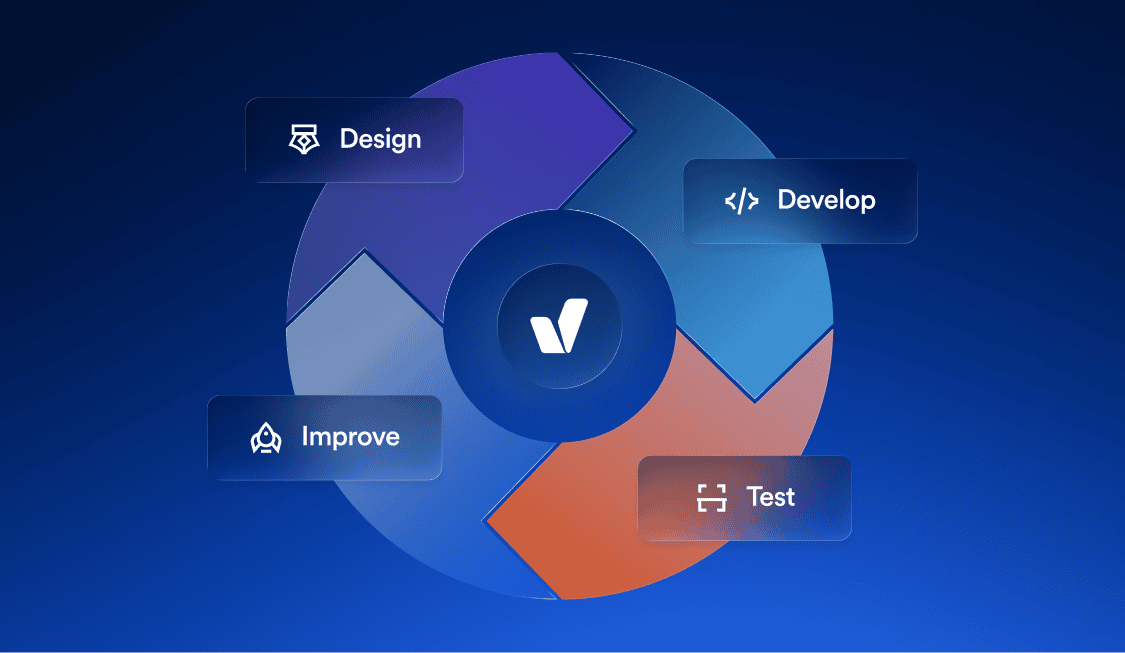
Together, these capabilities support accessibility across different teams, digital properties, technologies, and stages of the development lifecycle. Human insight remains essential throughout.
Our accessLabs analysts test digital experiences using the assistive technologies they rely on daily. Our Inclusive Product Advisory Board brings disability leaders, nonprofit organizations, and accessibility advocates into product testing, feedback, and language decisions. Their participation helps us evaluate not only what technology detects, but how digital experiences work for people.
We believe our Challenger recognition reflects our ability to execute within a market that increasingly requires technology, expertise, and human insight to work together.
What it means for how you evaluate accessibility solutions
The Magic Quadrant gives buyers a more structured framework for comparing providers. At accessiBe, we recognize that organizations don’t all start from the same place.
A small business improving an existing website has different priorities from an enterprise managing hundreds of digital properties. A development team building a new product needs a different workflow from an organization responding to legal action.
The accessibility approach should reflect the organization’s digital environment, internal resources, workflows, and long-term goals. Customers choose the approach that fits their needs, whether that means runtime technology, developer tooling, expert services, or a combination. We tailor the solution around them.
What comes next
As the market evolves, more accessibility work will move upstream into design, development, content, and release workflows, helping teams identify and address barriers earlier.
The organizations that make the strongest progress will treat accessibility as an ongoing practice, with clear ownership, continuous feedback, and transparency about what technology can address and where human expertise remains essential.
Being named a Challenger in the inaugural Gartner Magic Quadrant for Digital Accessibility is meaningful recognition of what accessiBe has built and how we execute. It also strengthens our commitment to keep challenging assumptions and advancing new approaches to accessibility. For our customers and partners, you choose the approach. We tailor the solution.
[Talk to an accessibility expert →]
Gartner attribution and disclaimer
Gartner, Magic Quadrant for Digital Accessibility, 5 October 2026, Brent Stewart Et Al.
Gartner does not endorse any company, vendor, product or service depicted in its publications, and does not advise technology users to select only those vendors with the highest ratings or other designation. Gartner publications consist of the opinions of Gartner’s business and technology insights organization and should not be construed as statements of fact. Gartner disclaims all warranties, expressed or implied, with respect to this publication, including any warranties of merchantability or fitness for a particular purpose.
Gartner and Magic Quadrant are a trademark of Gartner, Inc., and/or its affiliates.