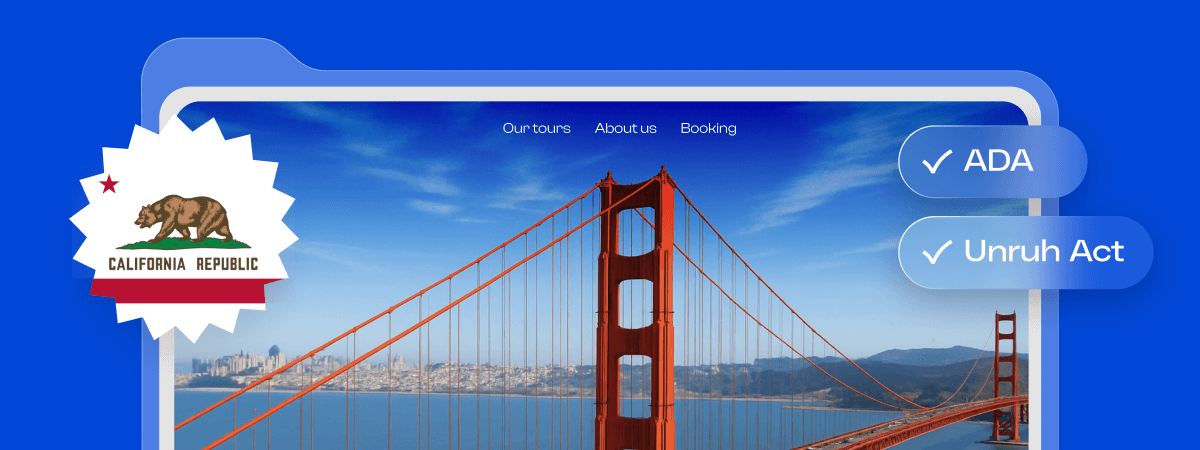
California’s web accessibility laws are strict, and the risks of non-compliance are real. This checklist helps you meet legal standards with confidence.
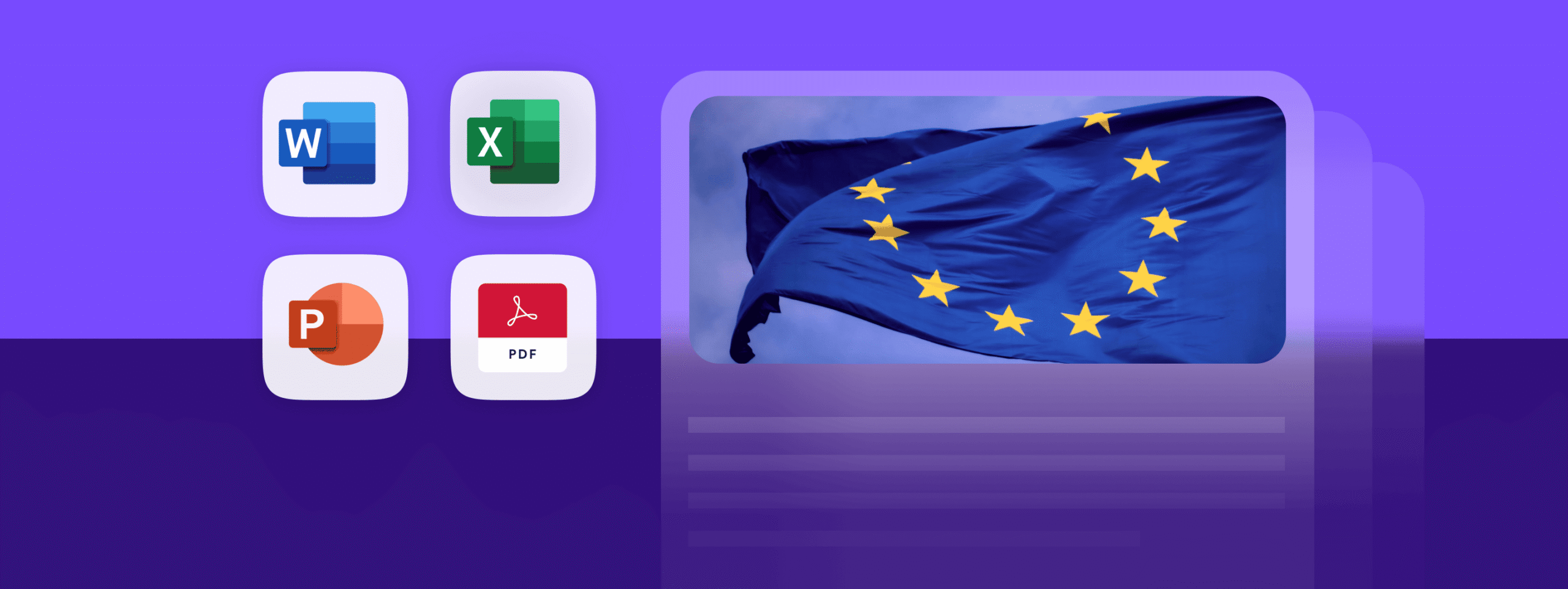
With the EAA now being enforced across many EU member states, it’s critical to ensure that all your digital assets - including your online documents - comply with the law.
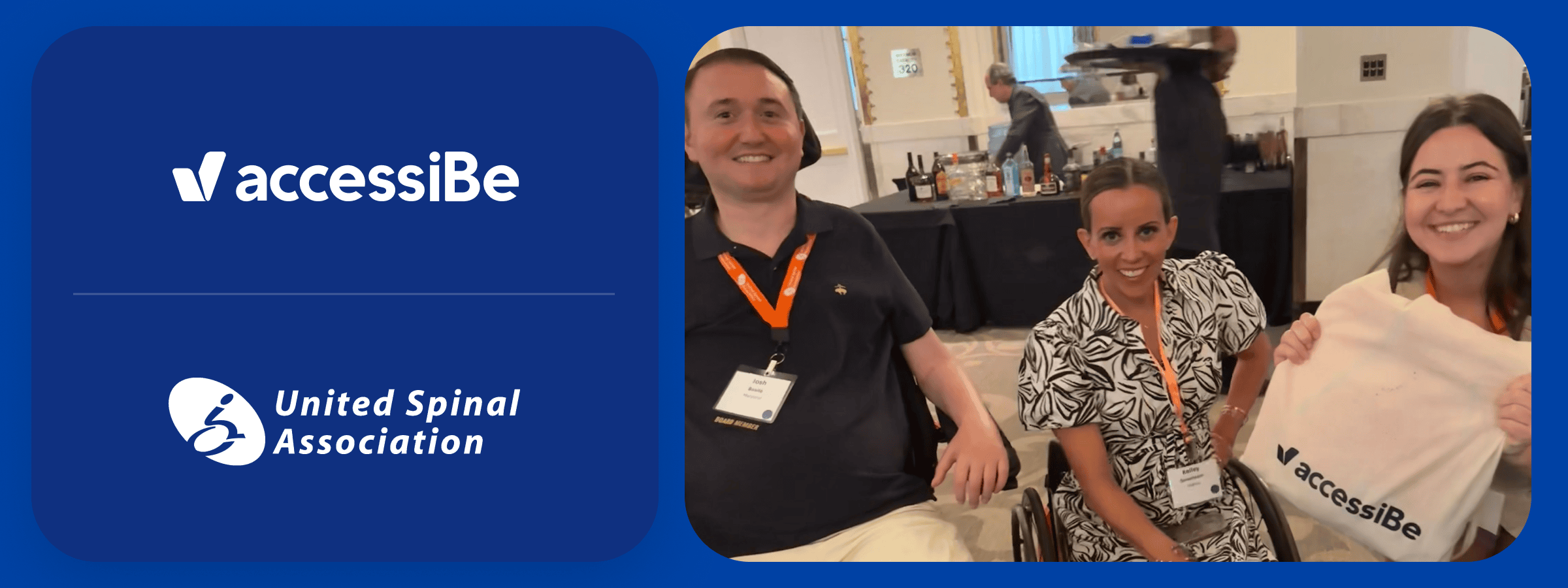
Our own Josh Basile joined United Spinal’s Roll on Capitol Hill to advocate for accessibility alongside hundreds of passionate disability rights leaders.
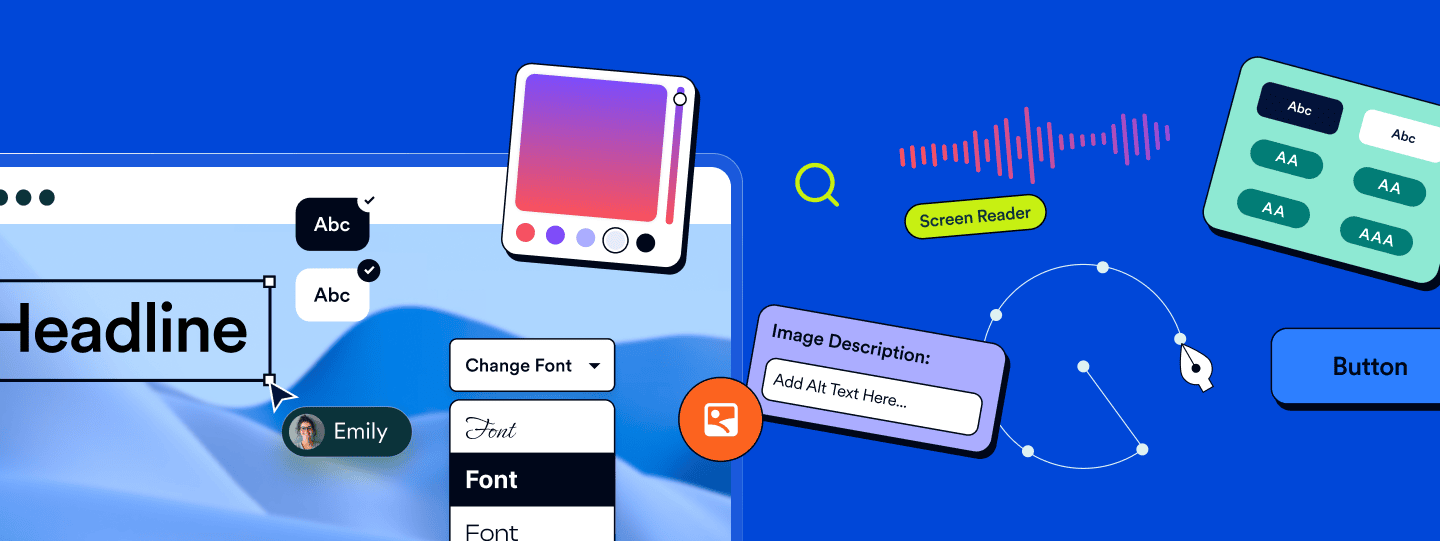
accessiBe took the main stage at UXDX NYC, to show how accessibility can, and should, be embedded across the entire product lifecycle. From workshops to real-world strategies, the message was clear: accessibility is everyone’s business.
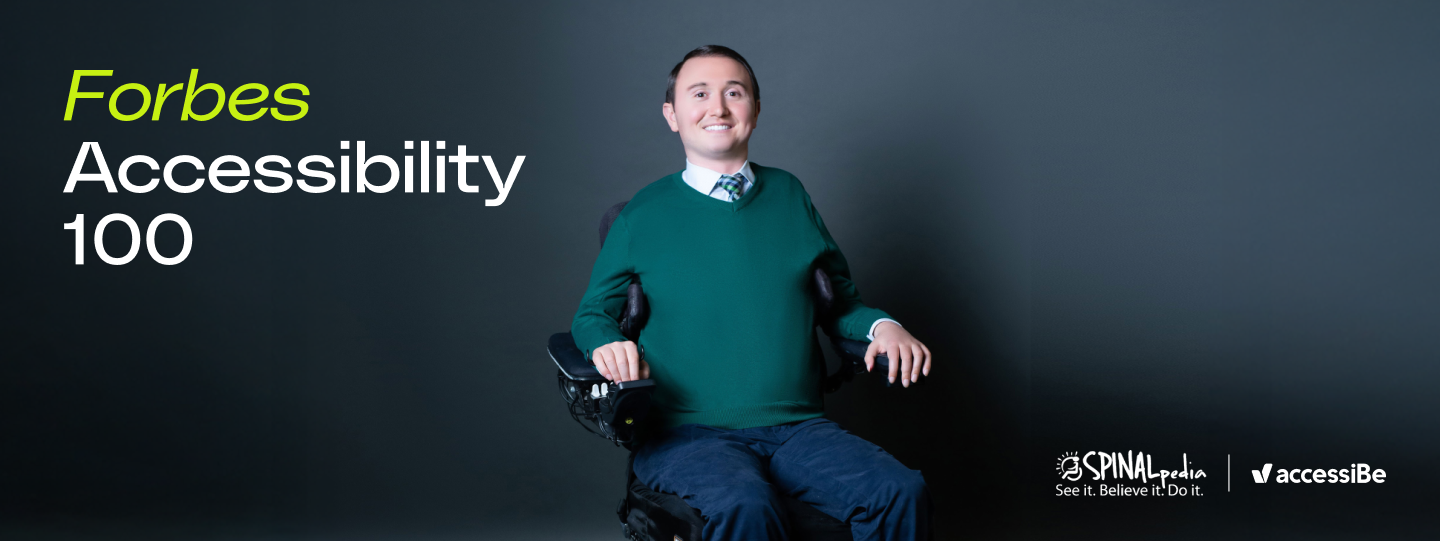
Josh Basile, accessiBe’s Community Relations Manager and a leading voice in disability advocacy, has been named to the inaugural Forbes Accessibility 100 list. His recognition highlights the growing global momentum behind accessibility and inclusive innovation.
With the European Accessibility Act in full force, it's time for businesses that sell in the E.U. to take action to ensure digital accessibility compliance.
Global Accessibility Awareness Day (GAAD) is the perfect opportunity to celebrate your commitment to digital inclusion. Learn how your business can get involved.
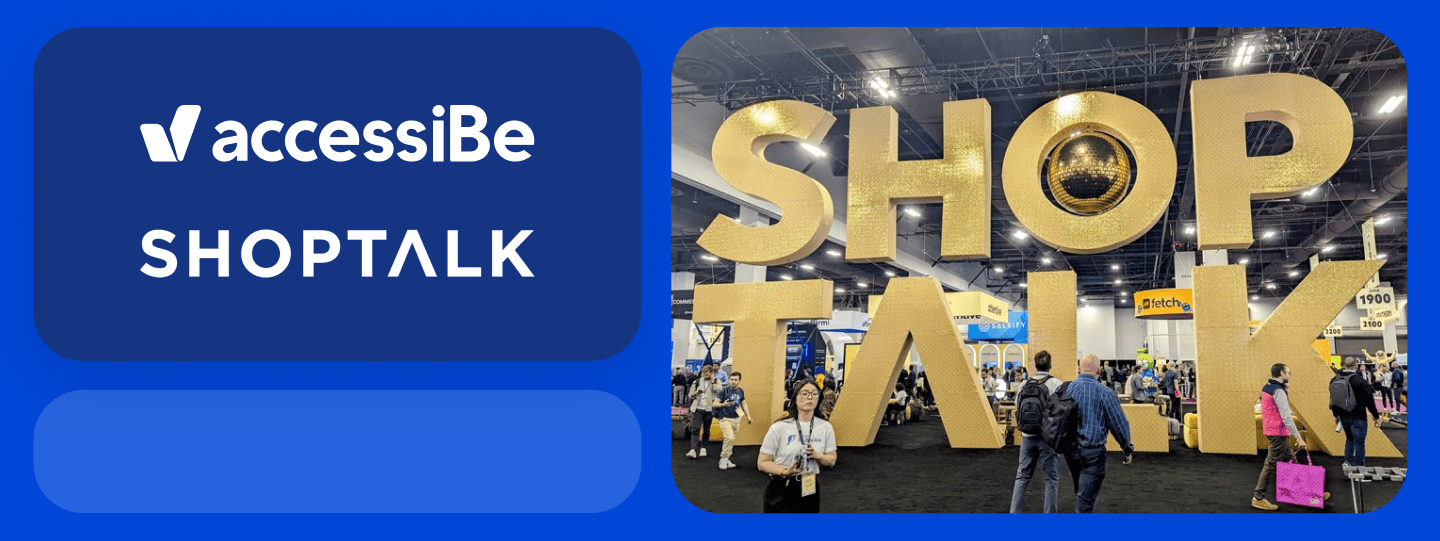
At Shoptalk 2025, digital accessibility surfaced as an urgent yet often overlooked priority, exposing critical gaps in awareness - but also growing interest in practical, scalable solutions.