If you’re an organization operating in Ontario, whether a private business, a non-profit, or a public sector body, the Accessibility for Ontarians with Disabilities Act (AODA) applies to you.
The law has been on the books since 2005, and it’s built around a recurring accountability check: the accessibility compliance report.
Depending on your size and sector, you may need to meet a filing deadline by December 31, 2026.
Private and non-profit organizations with 20 or more employees are on a three-year cycle, with this as their next report. Public-sector organizations follow their own two-year cycle, with their most recent deadline having passed this past December.
This blog covers what the report actually is, who has to file, what “compliant” means for your website specifically, how the new reporting portal works, what’s at stake if you miss it, and how to get ready before the year is out.
What is the accessibility compliance report?
The accessibility compliance report is a mandatory, self-reported filing that confirms where your organization stands on its AODA obligations. It’s not a one-time filing either: organizations return to it on a recurring cycle, reporting again every few years on what’s changed since the last time around. And while it applies across all five AODA standards, customer service, employment, transportation, design of public spaces, and information and communications, it has specific requirements for web accessibility, which fall under information and communications and are the focus of the rest of this article.
While it’s a formal filing, it is important to note that the report is not an audit.
This means that no one from the province reviews your site before you file; your organization is the one confirming where things stand and submitting that declaration.
Once submitted, it’s on the record, so late or inaccurate filings become part of your organization’s compliance history. Filing itself happens through the Accessibility Compliance Reporting Portal, covered in more detail below.
Who has to file, and who’s exempt
The filing obligation is tiered by size and sector. This means that private and non-profit organizations with 20 or more employees, plus all designated public sector organizations, need to file, with larger organizations facing added requirements on top of that.
Organizations with fewer than 20 employees are generally exempt from filing, though other AODA obligations can still apply.
Here’s the breakdown in full:
| Organization type | Requirement |
|---|---|
| 20+ employees (private businesses and non-profits) | Must submit an accessibility compliance report by December 31, 2026, on a three-year filing cycle. |
| Designated public sector organizations | File on a separate two-year cycle. Their most recent deadline was December 31, 2025. |
| 50+ employees | Additional requirements on top of filing, including a written multi-year accessibility plan, WCAG 2.0 Level AA conformance for required public websites and content, and a formal process for accommodating employees who request it. |
| Fewer than 20 employees | Generally not required to file a compliance report, though other AODA obligations may still apply depending on the organization’s activities and sector. |
What “compliant” actually means for your website
The legal requirement and the practical expectation aren’t always the same thing, which is where a lot of organizations get tripped up.
For website requirements specifically, the codified AODA standard is WCAG 2.0 Level AA.
This means that’s the bar your required public websites and content need to conform to under the law.
Many accessibility teams voluntarily build toward WCAG 2.2 AA as a forward-looking practice, since it addresses newer considerations like mobile touch targets and cognitive accessibility. This doesn’t change the legal requirement, though: the AODA’s current codified website standard remains WCAG 2.0 Level AA, so 2.2 is good practice to build toward, not a separate filing requirement.
Filing through the Accessibility Compliance Reporting Portal
Ontario has moved accessibility compliance reporting from the old interactive PDF process to the online Accessibility Compliance Reporting Portal, administered by the Ministry for Seniors and Accessibility. Filing means signing in, entering your organization’s details, and answering compliance questions tied to the size and sector obligations covered above, before a certifier signs off.
For the full step-by-step walkthrough of the portal, and what to have ready before you start, read our guide on how to file your AODA accessibility compliance report.
What happens if you miss the deadline
Missing the deadline can trigger enforcement action. This means the AODA allows for significant penalties, including potential personal liability for directors or officers in some cases.
Maximum penalties can reach $100,000 per day for corporations and $50,000 per day for certain directors or officers, though these are ceilings set by the law, not routine outcomes.
-
Corporate Up to $100,000/day Legal maximum
-
Personal liability Up to $50,000 Directors & officers
-
Missed deadline Enforcement action Plus added scrutiny
Beyond the financial risk, missed or unsupported filings can also lead to increased regulatory scrutiny going forward.
This means the deadline is one you can meet with the right amount of lead time; most organizations that miss it do so because they started too late, not because compliance was out of reach.
How to get ready before December 31
With roughly five months until the deadline, the organizations in the best shape are treating this as a project with a real timeline, not a last-minute scramble. A reasonable starting sequence looks like this:
- Audit your current site against WCAG 2.0 AA criteria, using a checklist like ours as a starting point
- Document your existing accessibility policies
- Address the technical gaps the audit surfaces
- Retest before you file
- Draft your multi-year accessibility plan, if your organization has 50 or more employees
Building accessibility infrastructure before the deadline hits
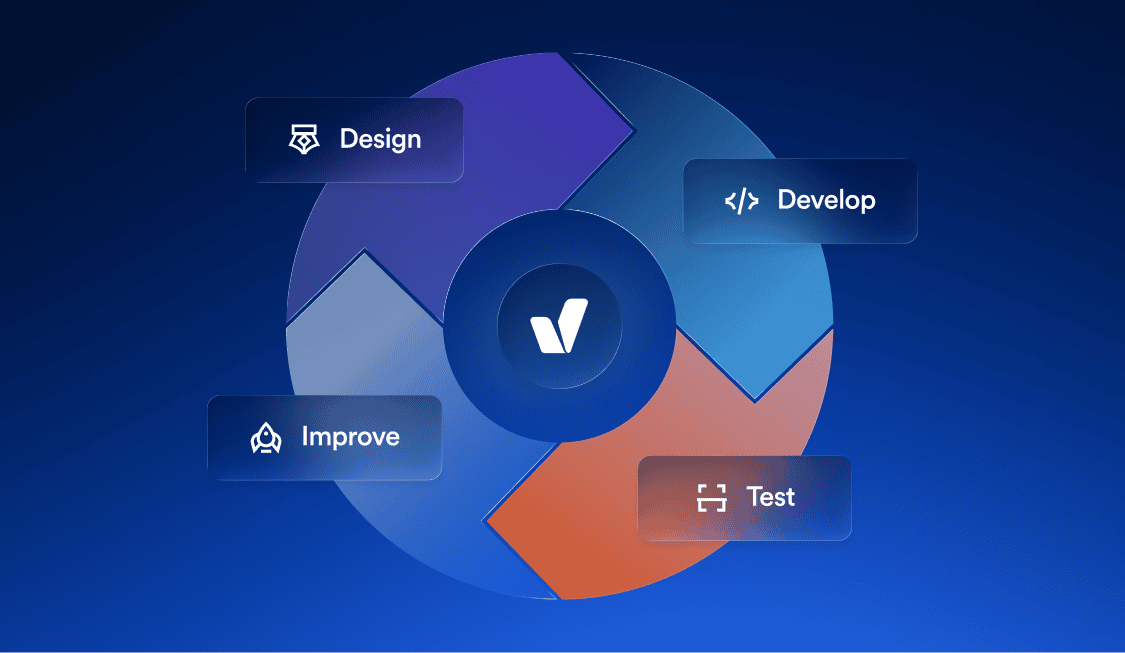
Getting from where your website is today to a report you can confidently file by December 31 takes more than a one-time fix. This means the work spans expert review, automation, and development, and accessiBe’s platform is built to support all three.
Human expertise
accessiBe’s expert accessibility services cover work automation alone doesn’t reach. A detailed review from experts, including people with disabilities, gives you a plan to address the gaps they find — this is the work that formal accessibility audits do, and it’s often what catches what automated scans miss. For older content, that includes support for AODA file accessibility across PDFs and other documents, along with accessibility statements that document your progress publicly.
AI automation
accessWidget applies real-time, session-based fixes as your site changes, aligning it with WCAG 2.0, the AODA’s standard for compliance. That includes screen reader compatibility andVkeyboard navigation support.
Developer tools
accessFlow gives your devs the tools they need to fix issues at source code level and directly within their IDE, with issue tracking and remediation guidance tied to WCAG criteria.
For organizations with a filing date already on the calendar, this combination is meant to support the move from a stated intention to comply, to a report that’s actually ready to submit.
The bottom line
The AODA’s December 31 deadline isn’t just about the report itself. This means it functions as a checkpoint that forces a real question: is your website, and your organization’s broader accessibility posture, actually where it needs to be?
Five months is enough time to get there, but not enough time to wait much longer. If you haven’t started assessing where your site stands against WCAG, that’s the place to begin.