National Health Service (NHS) accessibility refers to the legal and technical requirements that NHS trusts, GP practices, and other NHS bodies must meet to make their websites, apps, and digital services usable by people with disabilities. As public sector bodies, NHS organizations fall under the UK’s digital accessibility regulations, which set a specific technical standard and require public disclosure of compliance status.
Because the NHS touches nearly every UK resident and often serves people at their most vulnerable — managing appointments, prescriptions, and test results — accessibility failures in NHS digital services carry consequences well beyond typical commercial risk.
The legal basis for NHS accessibility
NHS digital accessibility obligations come from two overlapping sources:
- The Equality Act 2010, which prohibits discrimination on the basis of disability and applies broadly across public services, digital or otherwise
- The Public Sector Bodies (Websites and Mobile Applications) Accessibility Regulations 2018, which specifically require public sector websites and mobile apps — including NHS digital services — to meet a defined technical standard and publish an accessibility statement disclosing their compliance status and any known gaps
The regulations apply to NHS trust websites, GP practice sites, NHS England’s own digital properties, and patient-facing apps and services produced by or for the NHS.
The technical standard: WCAG 2.2 Level AA
The regulations require NHS digital services to meet WCAG 2.2 Level AA, the current version of the Web Content Accessibility Guidelines. This is a meaningful update from WCAG 2.1, which many NHS websites were originally built against: WCAG 2.2 introduces new success criteria covering areas like focus visibility, drag-and-drop alternatives, and target size for interactive elements, on top of everything already required under 2.1.
The UK’s Government Digital Service (GDS), which monitors public sector compliance, has been actively testing public sector websites against WCAG 2.2 since October 2024. An NHS trust whose accessibility statement still references WCAG 2.1 is citing an outdated standard, even if no other content has changed.
What NHS accessibility compliance actually involves
Meeting the standard requires more than surface-level adjustments. Common areas of non-compliance on NHS websites include:
- Keyboard and focus issues: Skip links that don’t properly bypass navigation, or a tab order that doesn’t match the visual layout, particularly on mobile views
- Missing text alternatives: Images, including clinical diagrams and downloadable forms, without alt text for screen reader users
- Inaccessible PDFs and documents: Discharge letters, appointment letters, and patient information leaflets published as untagged or scanned PDFs
- Testing gaps: Automated scanning alone (tools like WAVE, Lighthouse, or axe) catches only a portion of WCAG’s success criteria; NHS guidance calls for manual testing with assistive technologies like screen readers alongside automated checks
How accessiBe’s platform supports NHS accessibility
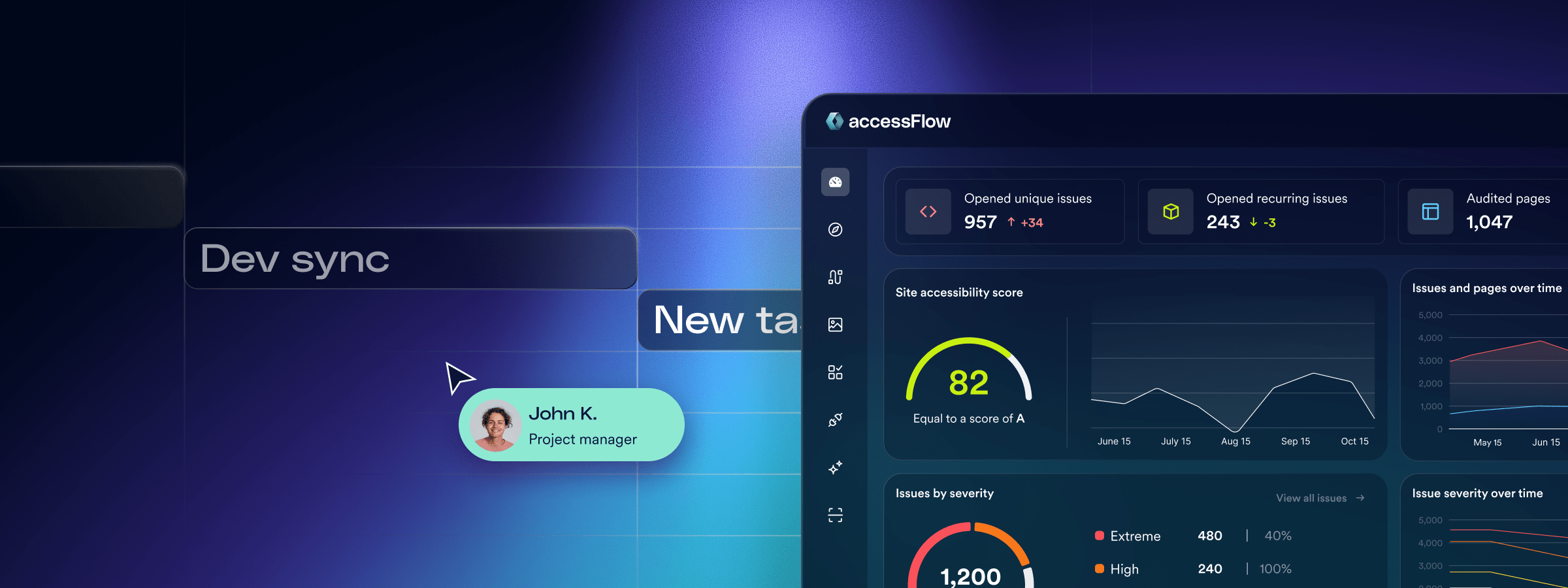
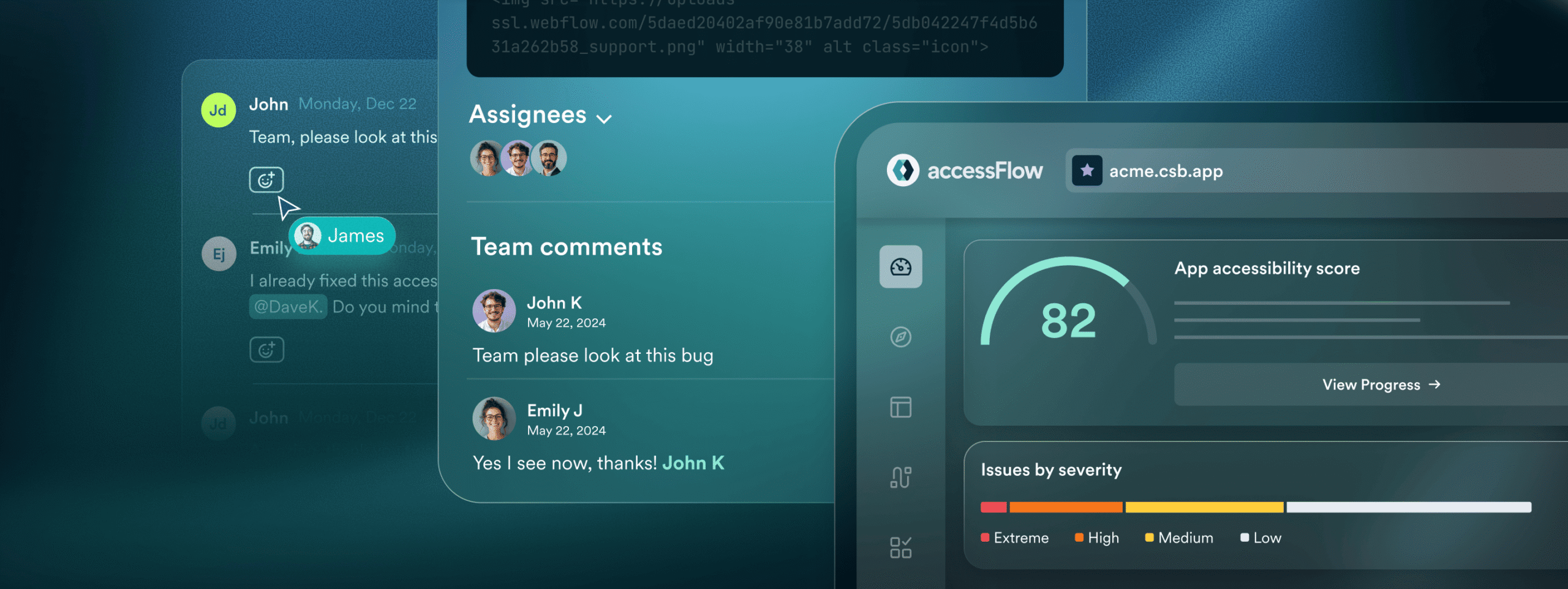
Meeting NHS accessibility requirements calls for a platform combining the best in AI automation, developer tools, and human expertise — not any single solution on its own. accessWidget — accessiBe’s AI-powered accessibility interface — helps address common WCAG failure points like screen reader and keyboard navigation gaps on NHS-facing websites, while accessFlow gives development teams a way to track and resolve issues at the code level in line with WCAG 2.1 and 2.2 requirements. For the manual review and documentation an NHS trust needs to support its published accessibility statement, accessServices offers line-by-line audits against WCAG 2.2 AA and conformance reporting built for international and multi-jurisdiction clients — the same underlying evaluation used by accessiBe customers operating across EU and UK accessibility frameworks.