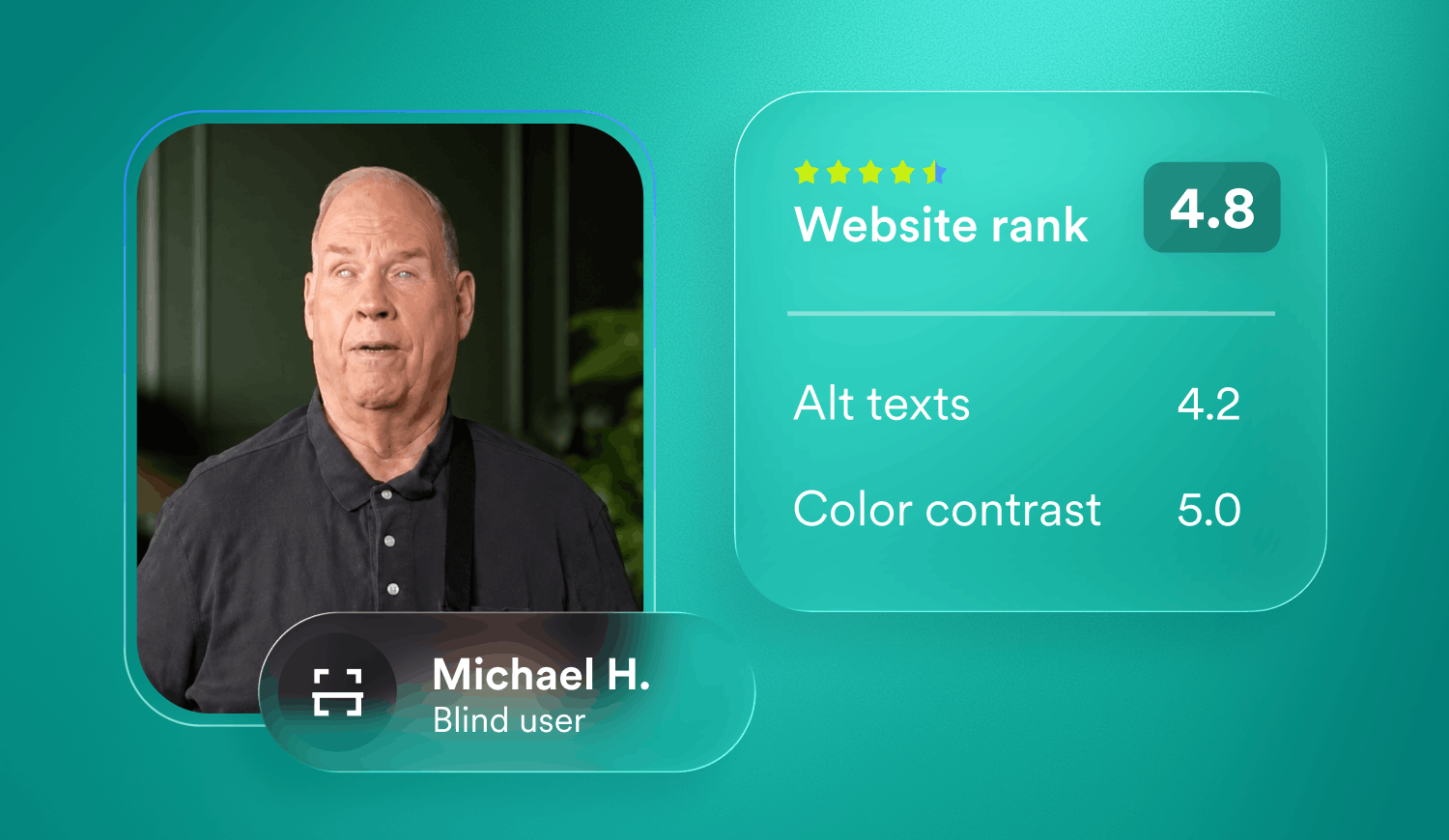
I’ve been using a screen reader since before many web developers were born. I know what it feels like when a page works and when it doesn’t. There’s no ambiguity. You either move forward, or you stop.
So when this year’s WebAIM Million report came out, I didn’t read it as an industry analyst. I read it as someone who has actually been on those pages.
As the digital world expands, page complexity continues to grow — it’s now up 22.5% in a single year. That reverses years of gradual improvement. In simple terms: there is more content than ever, and more barriers are showing up alongside it.
Manual remediation alone cannot keep pace with the sheer volume of content. To reverse this trend, accessibility must be integrated into the build process through an end-to-end platform that addresses repeatable errors at scale. The most effective way to manage this complexity is by leveraging AI.
The pressure isn’t coming from one place
From the outside, it can look like a stack of deadlines without any real action behind them. The ADA Title II deadline has been extended because most organizations weren’t prepared with a proactive accessibility plan, and in the business sector Title III lawsuits continue to rise. Whether the extensions to Title II will have a positive effect remains to be seen. The ADA has been in effect since 1991, which should have given businesses and website developers plenty of time to deliver real accessibility. Section 504 enforcement is becoming more visible. And across the ocean, the European Accessibility Act is now a full year into being in force.
Navigating the same potholes
What stood out to me in the data wasn’t just the scale. It was how familiar the problems are. Low contrast. Missing alt text. Unlabeled forms. Empty links.
I’ve been navigating these same issues for decades. They are known, repeatable, and fixable. The fact that they’re increasing isn’t a mystery. It’s what happens when accessibility is treated as something that comes later, rather than something built in.
The ARIA finding
There is one finding in the report I want to address directly, because people will use it to argue against automated tools. Pages with ARIA attributes present averaged 59 errors versus 42 on pages without. The report is careful about causation — complex pages use more ARIA and have more errors for many reasons.
But the pattern reflects something real: ARIA implemented poorly is often worse than no ARIA at all. I know this from experience. A screen reader encountering bad ARIA doesn’t fail gracefully; it misleads. It announces the wrong thing, creates navigation loops, and skips content entirely.
This isn’t an argument against automation. It’s an argument for automation built by people who understand what happens on the other end of the code. It’s exactly why we emphasize practices like Manual Testing and Custom Remediation (MTCR); accessibility gets done right when specialists who actually rely on assistive technology are involved in the testing process from the start.
What has changed
The pace of the web is different now. Content is created faster, systems are more dynamic, and AI is accelerating that even further. That isn’t going to slow down.
Accessibility hasn’t kept up — not because people don’t care, but because the systems most organizations rely on weren’t designed for this scale. It’s part of why accessLabs, accessiBe’s team of blind usability analysts, spends time studying how assistive technologies actually interpret code in the real world — not just what the spec says should happen.
AI helps because it can identify patterns and address repeatable issues at a scale manual processes can’t match. But it doesn’t replace structure or ownership. That’s why we focus on moving accessibility earlier into the developer workflow through accessFlow, ensuring it’s part of the build rather than a fix applied after the fact. Without that structural integration, we just increase the speed at which new gaps are introduced.
The bottom line
The web isn’t getting simpler. Expectations are increasing, enforcement is expanding, and the volume of content keeps growing.
The real question: is accessibility built into how things are created, or is it addressed after the fact? At the scale the web operates today, that difference matters.
The data says we’re trending in the wrong direction. The tools to reverse that exist. What’s still missing, in too many places, is the decision to use them consistently — before someone like me encounters the gap.